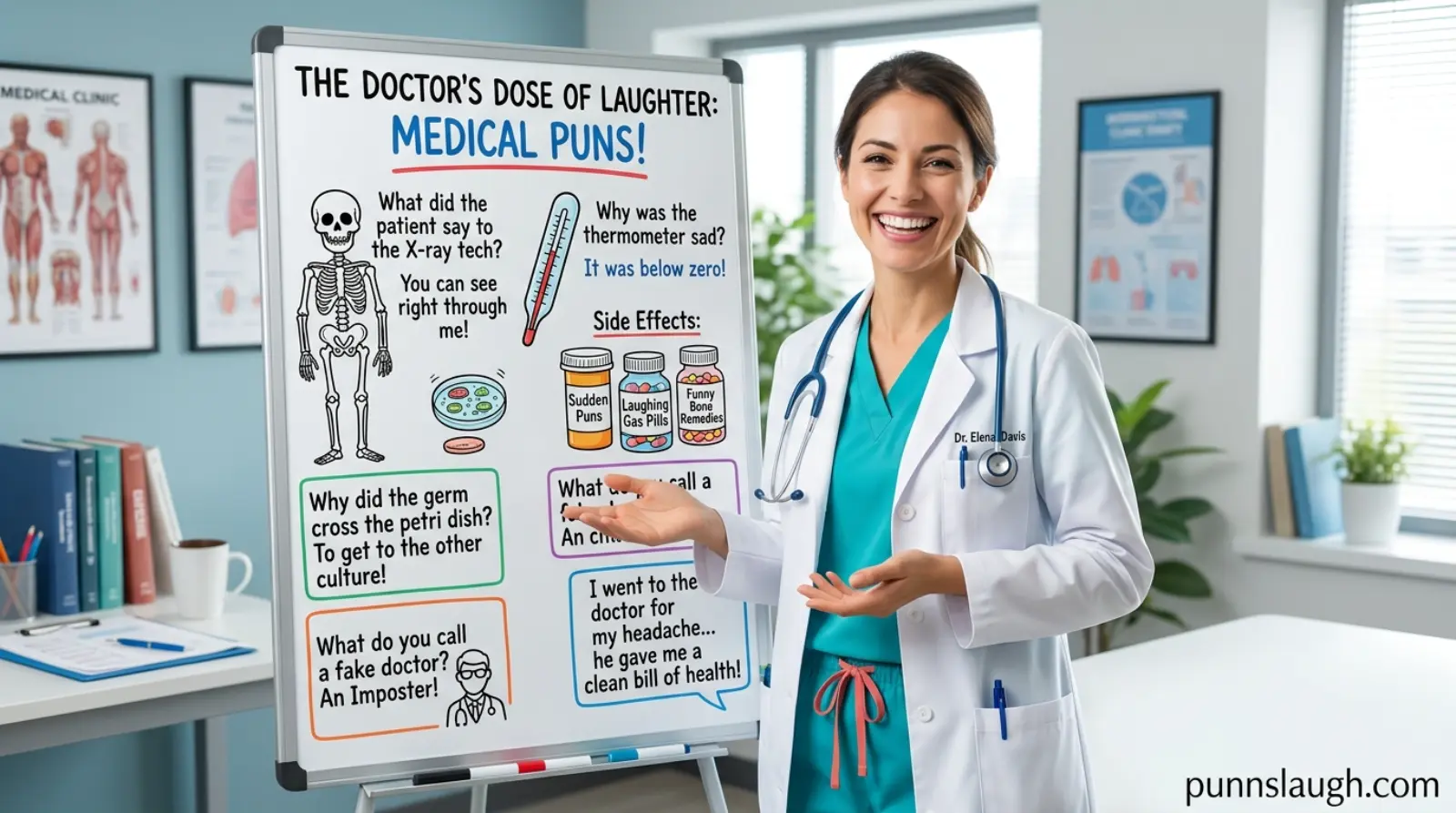
Medical Jokes and Puns That Are the Best Medicine are the perfect way to lift your mood after a long, tiring day. Life feels heavy sometimes, and a little laughter works like instant relief without any prescription.
These jokes bring a fun twist to medical terms, turning stress into smiles and awkward moments into giggles. Humor brightens daily life, helps us relax, and makes even busy days feel lighter and more bearable. So take a quick break, forget the pressure, and enjoy some light-hearted medical humor.
Hospital Humor That Keeps Spirits High
Hospitals can feel intense, but humor helps lighten the mood and create human connection in stressful moments.
Patients waiting for results often need a smile just as much as medical care.
• I told my chart I needed space and it scheduled me for more tests
• The hospital wifi said it was critical but still never connected
• My doctor said I have a great pulse on comedy
• I asked for a second opinion and the first one said it agrees
• The waiting room teaches patience in the most literal way
• My thermometer and I are in a heated relationship
• The hospital bed told me to rest and I finally listened
• My IV drip has better timing than my alarm clock
• The nurse said stay positive so I tested my blood type again
• My chart keeps updating my drama level
• I tried to leave early but the hallway kept diagnosing me
• The elevator in the hospital is always uplifting
• My X ray said it sees right through my excuses
• The doctor said my condition is stable but my humor is not
• I checked my file and it said under construction
• The hospital food proves healing takes patience
Expert insight
Medical environments benefit from humor because laughter can reduce stress hormones and improve patient comfort. It supports emotional balance and helps people cope with uncertainty in healthcare settings.
Doctor Humor That Prescribes Smiles
Doctors deal with serious situations daily, but a light joke can build stronger trust and communication.
A little humor can make consultations feel more human and less intimidating.
• My doctor said I need more iron so I started lifting spoons
• The physician said I have a strong case for laughter therapy
• My doctor’s handwriting is still the biggest medical mystery
• I told my doctor I feel invisible and he said I was fine
• The prescription said take it easy so I took it seriously
• My doctor called my humor contagious but not dangerous
• I asked my doctor for advice and got a full lecture in jokes
• The clinic said I am overdue for a smile check
• My doctor said I am in good hands and I checked they were clean
• I told my physician I feel tired and got scheduled for humor therapy
• My doctor said my jokes are better than my vitals
• I asked if laughter counts as medicine and got a nod
• My doctor said avoid stress so I stopped reading bills
• The prescription pad is my doctor’s favorite notebook for jokes
• My doctor said I need rest so I canceled my worries
• I told my doctor I have a broken heart and got a pun prescription
Expert insight
Healthcare communication improves when light humor is used appropriately because it builds trust and reduces anxiety during consultations. Patients often feel more comfortable discussing symptoms openly.
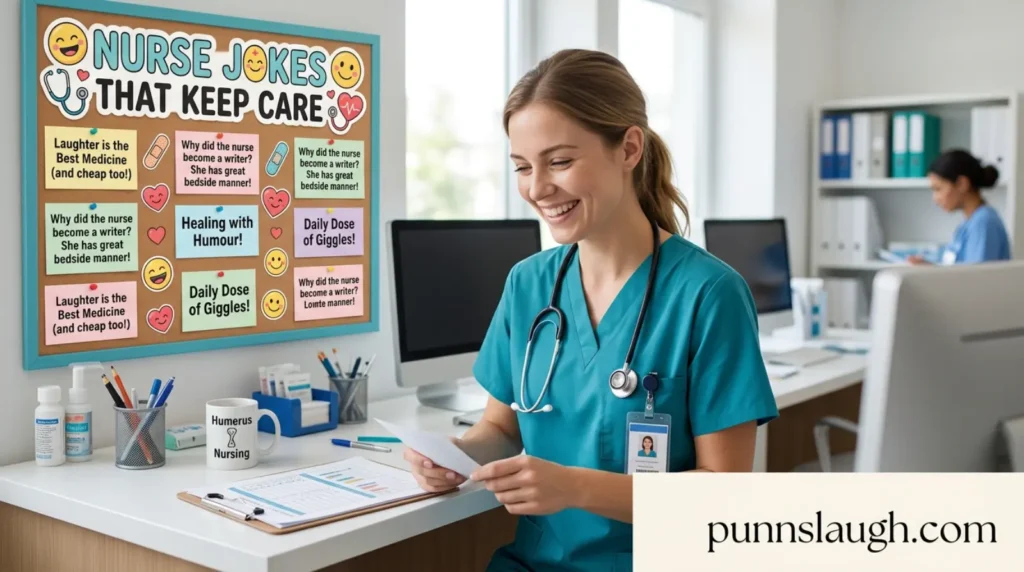
Nurse Jokes That Keep Care Compassionate
Nurses bring comfort, patience, and humor to everyday care situations.
Their quick thinking often turns stressful moments into manageable ones.
• The nurse said my pulse is faster than my life decisions
• I asked the nurse for directions and got emotional support instead
• My nurse said hydration is key so I started drinking humor
• The nurse said I am stable but emotionally questionable
• I told the nurse I feel cold and got a blanket and a joke
• The nurse charted my mood as mildly dramatic
• My nurse said I should stop overthinking and start recovering
• I asked the nurse for pain relief and got laughter instead
• The nurse said my sense of humor is fully recovered
• My nurse checks my vitals and my mood at the same time
• The nurse said I need rest so I scheduled relaxation immediately
• My nurse said I am improving in sarcasm levels
• I told the nurse I feel weak and she said join the club
• The nurse said my recovery plan includes more smiles
• I asked the nurse about results and got encouragement instead
• The nurse said my condition is stable but my jokes are wild
Expert insight
Nursing care often includes emotional support which plays a key role in patient recovery. Humor can strengthen this bond and improve overall patient satisfaction.
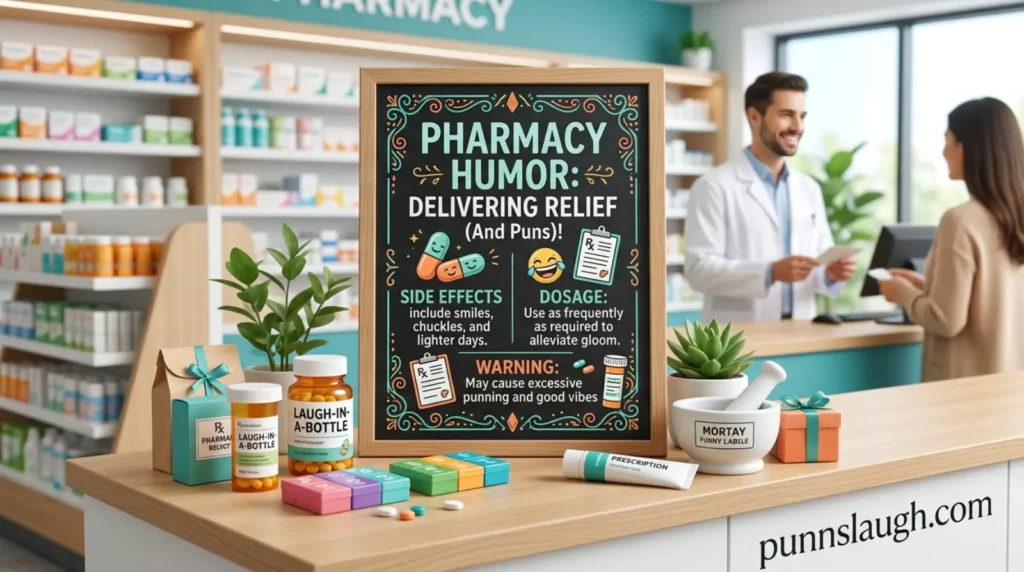
Pharmacy Humor That Delivers Relief
Pharmacies are not just about medicine, they also deliver moments of unexpected humor.
Even waiting in line can turn into a lighthearted experience.
• The pharmacist said my prescription needs more patience
• I asked for side effects and got a list of life lessons
• The pharmacy said my humor is over the counter approved
• My pills come with instructions and mild sarcasm
• I told the pharmacist I need energy and got coffee advice
• The prescription bottle said take daily and laugh often
• I asked the pharmacy for fast relief and got slow humor
• The pharmacist said I am refilling my jokes too often
• My medicine cabinet started judging my choices
• The pharmacy queue is longer than my attention span
• I asked for vitamin happiness and got a smile instead
• The pharmacist said my condition is humor responsive
• My pills remind me more than my friends do
• I told the pharmacist I feel off and got reassurance
• The pharmacy said laughter is not covered but still recommended
• My prescription came with a side of encouragement
Expert insight
Pharmacy interactions can become more positive when humor is present because it reduces perceived wait times and improves customer satisfaction.
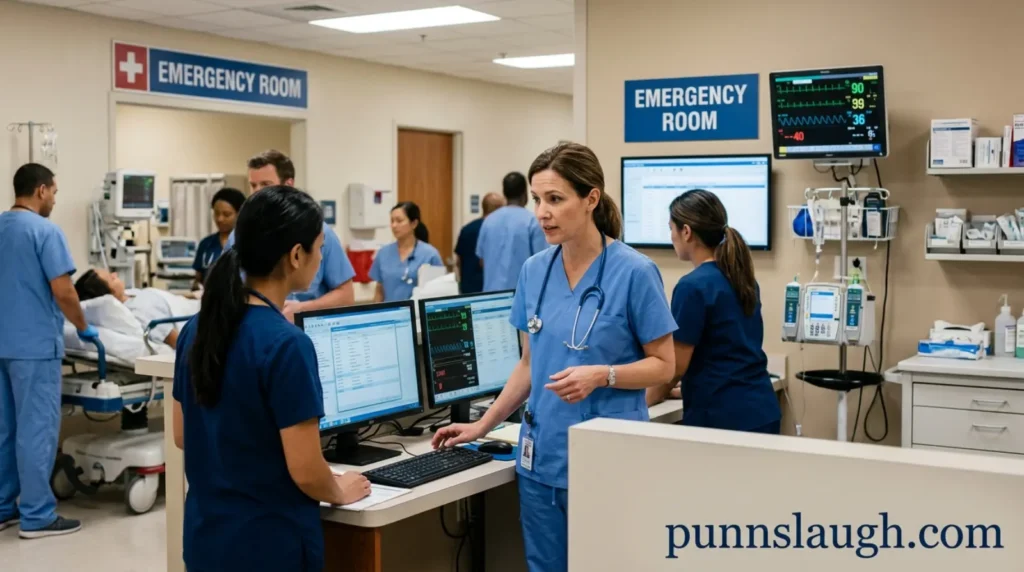
Emergency Room Humor Under Pressure
Emergency rooms are intense places where humor can help reduce tension.
Even in urgent situations, small jokes can bring relief.
• The emergency room said my timing is always dramatic
• I asked for urgent care and got patient training instead
• My ER visit turned into a comedy of wait times
• The doctor said my case is stable but my jokes are not
• I told the ER staff I feel fine and got observation anyway
• The waiting monitor became my emotional support device
• I asked the ER for quick results and got patience instead
• The emergency room said my humor needs immediate attention
• My chart in the ER says high drama levels detected
• I told the nurse I am fine and got extra checks
• The ER said my pulse is normal but my stories are not
• I asked for discharge and got more jokes instead
• The emergency room has its own sense of timing
• My ER visit included unexpected comedy relief
• The doctor said my case is mild but my humor is strong
• I left the ER with prescriptions and punchlines
Expert insight
Emergency settings benefit from controlled humor as it helps reduce panic and supports emotional regulation during stressful medical evaluations.
Clinical Visit Humor That Feels Familiar
Regular clinic visits often come with routine questions and relatable humor moments.
Small talk in clinics can lead to unexpected laughter.
• The clinic said my appointment is a yearly comedy show
• I told the receptionist I am early and got applause
• My clinic visit included more paperwork than symptoms
• The doctor said my updates are mostly life stories
• I asked the clinic for quick service and got waiting skills
• My file at the clinic is thicker than my patience
• The clinic said my humor is a recurring condition
• I told the receptionist I feel fine and got suspicious looks
• My clinic visit always includes surprise questions
• The doctor said my lifestyle needs more laughter breaks
• I asked for results and got another appointment instead
• The clinic said my energy levels are inconsistent
• My visit summary includes humor as a coping skill
• I told the clinic I am healthy and got more tests
• The clinic said my jokes are consistent even if my vitals are not
• I left the clinic with advice and a smile
Expert insight
Routine clinic visits improve when patients feel relaxed, and humor often makes communication smoother between healthcare providers and patients.
Medical Test Humor That Lightens the Wait
Medical tests can feel stressful, but humor helps ease anticipation.
Even waiting for results can become less tense with a smile.
• My blood test said I am mostly coffee and optimism
• The lab results came back with unexpected humor
• I told the technician I am nervous and got reassurance
• My test sample said please handle with care and jokes
• The lab said my results are still under analysis and comedy
• I asked for quick results and got patience training
• My medical test has better accuracy than my guesses
• The technician said my sample has strong personality
• I waited for results and practiced stand up comedy alone
• My report said everything is normal except my humor level
• The lab visit felt like a science experiment in patience
• I asked if I passed and got a careful maybe
• My test results arrived with dramatic timing
• The technician said I am a regular visitor of curiosity
• My lab report includes unexpected life advice
• I left the lab with answers and more questions
Expert insight
Medical testing processes feel less stressful when patients use humor as a coping strategy because it reduces anxiety during waiting periods.
Patient Humor That Reflects Everyday Experience
Patients often turn real experiences into relatable humor.
Shared stories create connection and comfort.
• I told my doctor I am fine and got more questions
• My patient journey includes frequent comedy breaks
• I asked for recovery time and got life lessons instead
• My hospital bracelet has seen more action than me
• I told the nurse I feel okay and got monitoring anyway
• My recovery plan includes rest and laughter therapy
• I asked if I can leave and got a smile instead
• My patient file includes unexpected humor notes
• I told the staff I am ready and got more waiting
• My condition improves every time I laugh
• I asked for discharge and got extended observation
• My patient experience includes surprise improvements
• I told the doctor I am fine and got careful attention
• My recovery journey feels like a comedy series
• I asked for results and got encouragement instead
• My hospital stay taught me patience and punchlines
Expert insight
Patient experiences improve when emotional well being is supported alongside medical care, and humor often plays a natural role in that support.
Medical Office Humor Behind the Desk
Behind every medical office is a world of paperwork, phones, and unexpected humor.
Even administrative moments can bring smiles.
• The front desk said my appointment is emotionally scheduled
• I asked for billing details and got confusion instead
• The receptionist said my humor is noted in my file
• My medical paperwork has its own personality
• I told the office I am early and got appreciation
• The waiting list feels longer than my patience
• My chart update includes extra comedy notes
• The office said my visit is important and slightly funny
• I asked for directions and got paperwork instead
• My file is updated more than my social life
• The receptionist said I am a familiar name
• My appointment reminder is more persistent than my thoughts
• The office said my case includes humor indicators
• I told them I am fine and got scheduling anyway
• My paperwork stack tells a long story
• The office experience always includes surprise humor
Expert insight
Administrative healthcare settings benefit from light humor because it improves interactions and reduces frustration during routine processes.
Recovery Humor That Boosts Positivity
Recovery is not just physical, it is also emotional and mental.
Humor helps people stay positive during healing.
• My recovery plan includes laughter and light rest
• I told my body to heal faster and got silence
• My healing process comes with unexpected jokes
• I asked for full recovery and got patience instead
• My energy returns one smile at a time
• I told my illness to leave and it considered it
• My recovery feels like progress with punchlines
• I am improving with every laugh I take
• My healing journey includes humor checkpoints
• I asked for strength and got resilience instead
• My recovery notes include positive thoughts only
• I told my body to cooperate and got results slowly
• My healing process includes daily humor intake
• I feel better when laughter is part of my routine
• My recovery is steady with emotional boosts
• I asked for wellness and got encouragement
Expert insight
Recovery outcomes often improve when patients maintain a positive mindset, and humor supports emotional resilience during healing.
FAQs
What makes medical jokes popular in the USA.
Medical jokes are popular because they turn serious healthcare topics into light and relatable humor that people understand easily.
Are medical puns safe for all audiences.
Yes medical puns are generally safe when they are clean respectful and focused on everyday situations.
Can humor help in healthcare environments.
Humor can help reduce stress improve communication and make medical experiences feel more comfortable.
Why do people enjoy hospital jokes.
People enjoy hospital jokes because they find relief in humor during stressful or emotional healthcare experiences.
Where can I share medical jokes online.
You can share medical jokes on social media messaging apps and humor websites to spread positivity and laughter.
Conclusion
Medical jokes and puns offer a simple way to add laughter to everyday healthcare moments. They turn stressful experiences into light stories that people can relate to and enjoy. Humor brings comfort connection and positivity across clinics hospitals and recovery journeys.

Lewis Carroll is a passionate humor writer who loves creating clever puns and witty wordplay that make readers smile. His writing style is fun, modern, and easy to enjoy, blending creativity with lighthearted humor. When not crafting jokes, he enjoys exploring comedy trends, reading classic humor, and collecting funny one-liners. Lewis believes the best kind of content is the kind that leaves readers laughing and wanting more.